Why Choose Awareness Dangerous Goods Courses for Workplace Safety?

Photo Safety equipment

Workplace safety training is a fundamental aspect of any organisation, serving as the backbone of a safe and productive work environment. It is essential for ensuring that employees are well-informed about potential hazards and equipped with the necessary skills to mitigate risks. The significance of such training cannot be overstated; it not only protects employees from accidents and injuries but also fosters a culture of safety that permeates the entire organisation.

By prioritising safety training, companies demonstrate their commitment to the well-being of their workforce, which can lead to increased morale and productivity. Moreover, effective workplace safety training can have far-reaching implications for an organisation’s reputation and financial health. A workplace that prioritises safety is likely to experience fewer accidents, which translates into lower insurance premiums and reduced costs associated with workplace injuries.

Additionally, organisations that invest in comprehensive safety training are often viewed more favourably by clients and stakeholders, enhancing their credibility in the market. In this way, workplace safety training is not merely a regulatory requirement; it is a strategic investment that can yield significant returns.

Summary

  • Workplace safety training is crucial for preventing accidents and injuries in the workplace.
  • Awareness dangerous goods courses play a vital role in educating employees about the potential dangers of handling hazardous materials.
  • Choosing awareness dangerous goods courses can lead to improved workplace safety and reduced risk of accidents.
  • The content and structure of awareness dangerous goods courses are designed to provide comprehensive knowledge and practical skills for handling hazardous materials.
  • Awareness dangerous goods courses address specific workplace hazards by providing tailored training on the safe handling and storage of dangerous goods.

The Role of Awareness Dangerous Goods Courses in Workplace Safety

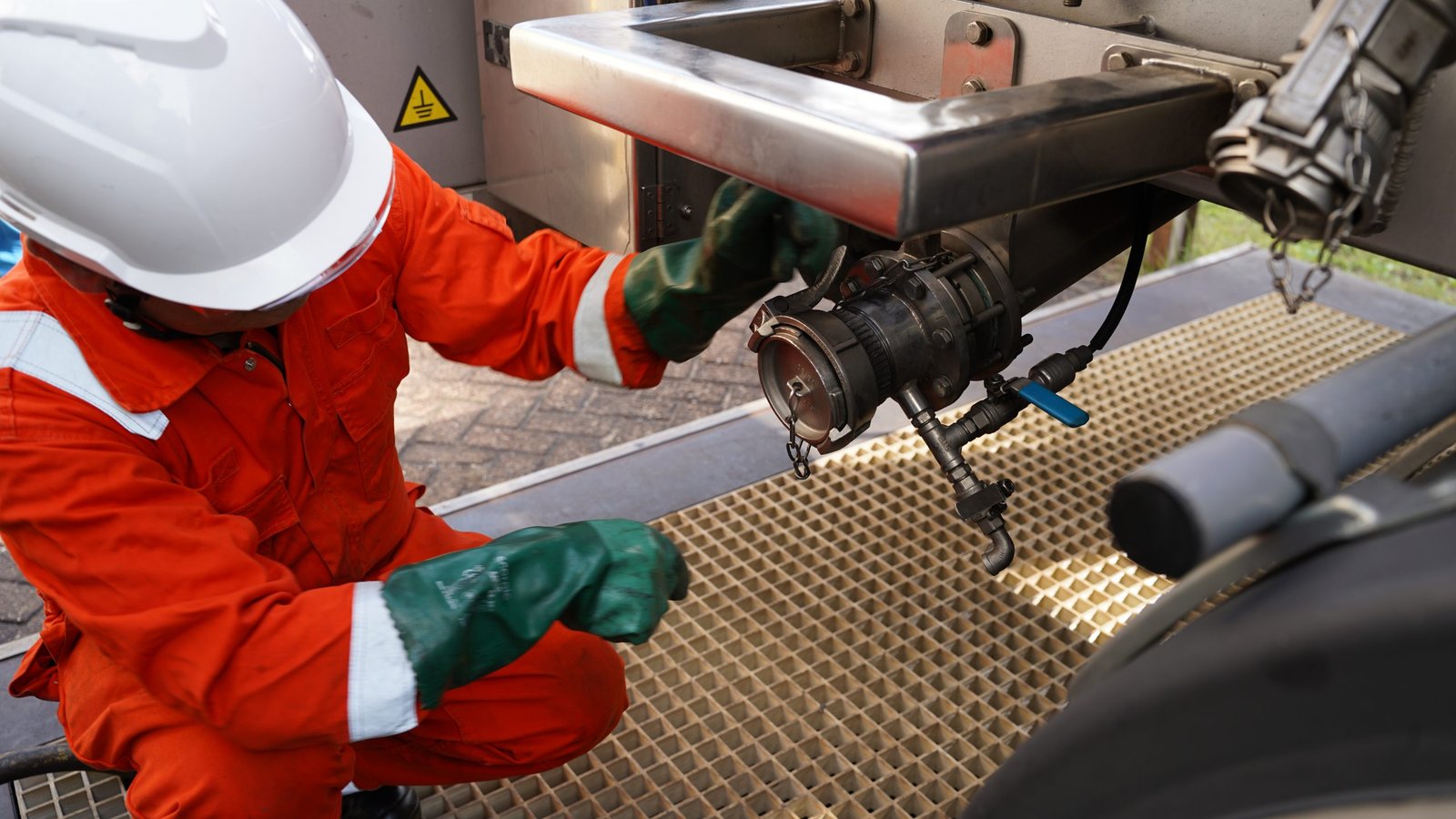
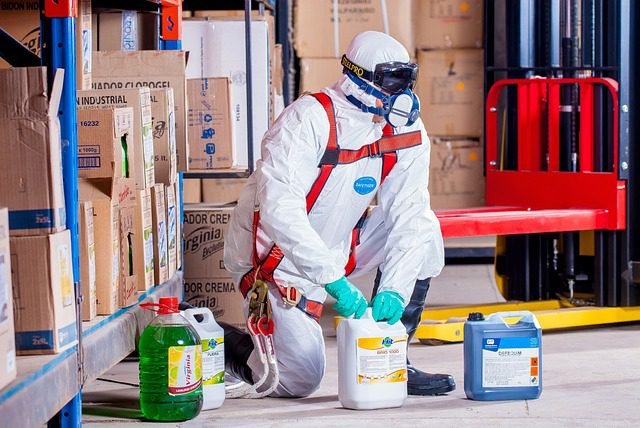
Awareness Dangerous Goods courses play a pivotal role in enhancing workplace safety, particularly in industries where hazardous materials are present. These courses are designed to educate employees about the nature of dangerous goods, the risks associated with them, and the best practices for handling and storing such materials safely. By providing employees with the knowledge they need to identify and manage hazardous substances, these courses significantly reduce the likelihood of accidents and incidents in the workplace.

Furthermore, Awareness Dangerous Goods courses contribute to compliance with legal regulations governing the handling of hazardous materials. Many industries are subject to stringent laws that require proper training for employees who work with dangerous goods. By ensuring that staff members are adequately trained, organisations not only protect their employees but also safeguard themselves against potential legal repercussions.

This proactive approach to safety training demonstrates a commitment to regulatory compliance and reinforces the importance of maintaining a safe working environment.

Benefits of Choosing Awareness Dangerous Goods Courses for Workplace Safety

The benefits of choosing Awareness Dangerous Goods courses for workplace safety are manifold. Firstly, these courses equip employees with essential knowledge about the properties and risks associated with various hazardous materials. This understanding enables them to recognise potential dangers and take appropriate precautions, thereby minimising the risk of accidents.

Employees who are well-versed in the safe handling of dangerous goods are more likely to act responsibly and make informed decisions in high-pressure situations. In addition to enhancing individual employee safety, Awareness Dangerous Goods courses also foster a collective sense of responsibility within the organisation. When employees are educated about the risks associated with hazardous materials, they are more likely to communicate effectively with their colleagues about safety concerns.

This collaborative approach to safety not only improves overall workplace morale but also cultivates an environment where safety is prioritised at all levels. Ultimately, investing in these courses can lead to a more engaged workforce that is committed to maintaining a safe and healthy workplace.

The Content and Structure of Awareness Dangerous Goods Courses

Awareness Dangerous Goods courses typically encompass a comprehensive curriculum designed to address various aspects of hazardous materials management. The content often includes an overview of different types of dangerous goods, their classifications, and the specific risks they pose. Participants learn about the legal requirements surrounding the handling and transportation of hazardous materials, as well as best practices for storage and disposal.

This foundational knowledge is crucial for ensuring that employees can navigate the complexities of working with dangerous goods safely. The structure of these courses is often designed to facilitate both theoretical understanding and practical application. Many programmes incorporate interactive elements such as case studies, group discussions, and hands-on exercises that allow participants to apply their knowledge in real-world scenarios.

This engaging approach not only enhances retention but also encourages critical thinking about safety practices. By combining theoretical instruction with practical exercises, Awareness Dangerous Goods courses ensure that employees leave with a well-rounded understanding of how to manage hazardous materials safely and effectively.

How Awareness Dangerous Goods Courses Address Specific Workplace Hazards

Awareness Dangerous Goods courses are tailored to address specific workplace hazards associated with dangerous goods, making them highly relevant for various industries. For instance, in manufacturing settings where chemicals are prevalent, these courses provide targeted training on the safe handling and storage of substances such as solvents or acids. Participants learn about the potential health effects of exposure to these materials and the necessary precautions to take when working with them.

Additionally, these courses often include modules on emergency response procedures related to hazardous materials incidents. Employees are trained on how to react in the event of a spill or leak, including evacuation protocols and first aid measures.

By preparing employees for potential emergencies, Awareness Dangerous Goods courses significantly enhance workplace safety by ensuring that staff members are equipped to respond effectively in high-stress situations.

This proactive approach not only protects employees but also minimises damage to property and the environment.

The Accreditation and Recognition of Awareness Dangerous Goods Courses

Quality Assurance through Accreditation

Many reputable training providers offer courses that are accredited by recognised industry bodies or regulatory agencies. This accreditation serves as a mark of quality assurance, indicating that the course meets established standards for content and delivery.

Compliance with Legal Requirements

Employers can have confidence that their employees are receiving high-quality training that is relevant to their roles. Furthermore, accredited courses often carry weight in terms of compliance with legal requirements. Many industries mandate specific training for employees who handle dangerous goods, and completing an accredited course can help organisations demonstrate their commitment to meeting these obligations.

Enhanced Reputation and Peace of Mind

This recognition not only enhances an organisation’s reputation but also provides peace of mind for employers who want to ensure they are operating within legal parameters.

The Impact of Awareness Dangerous Goods Courses on Workplace Safety Culture

The implementation of Awareness Dangerous Goods courses can have a profound impact on an organisation’s safety culture. When employees receive comprehensive training on hazardous materials, it sends a clear message that safety is a priority within the organisation. This emphasis on safety can lead to a cultural shift where employees feel empowered to speak up about safety concerns and actively participate in creating a safer work environment.

Moreover, as employees become more knowledgeable about dangerous goods and their associated risks, they are likely to adopt safer behaviours both at work and in their personal lives. This ripple effect can extend beyond the workplace, fostering a broader culture of safety within communities. By investing in Awareness Dangerous Goods courses, organisations not only protect their workforce but also contribute to a societal shift towards greater awareness and responsibility regarding hazardous materials.

How to Select the Right Awareness Dangerous Goods Course for Your Workplace

Selecting the right Awareness Dangerous Goods course for a workplace requires careful consideration of several factors. Firstly, organisations should assess their specific needs based on the types of dangerous goods present in their operations and the roles of their employees. Understanding these requirements will help identify courses that offer relevant content tailored to the unique challenges faced by the organisation.

Additionally, it is essential to evaluate the credentials of the training provider offering the course. Employers should look for providers with a proven track record in delivering high-quality training programmes that are accredited by recognised bodies. Reading reviews or seeking recommendations from other organisations can provide valuable insights into the effectiveness of a particular course.

Ultimately, selecting the right Awareness Dangerous Goods course involves aligning organisational needs with quality training that empowers employees to manage hazardous materials safely and responsibly.

When considering the importance of choosing awareness dangerous goods courses for workplace safety, it is crucial to also stay informed about the latest standards and regulations in the industry. An article on www.yoursafetystore.eu discusses the introduction of the new standard IFCL 1200/2024, aimed at enhancing safety in hazardous material tanker operations. This highlights the continuous efforts to improve safety measures and ensure compliance with regulations in handling dangerous goods. By staying updated on such developments, employers and employees can further enhance their knowledge and skills in maintaining a safe work environment.


ADR Awareness Course: Essential Training for Safe Hazardous Goods Transport

Photo Safety signage

Transporting hazardous goods is a critical aspect of logistics that requires meticulous planning and execution. Hazardous goods, often referred to as dangerous goods, encompass a wide range of materials that pose risks to health, safety, property, or the environment. These can include chemicals, explosives, flammable substances, and biological agents, among others.

The complexity of transporting such materials lies not only in their inherent dangers but also in the stringent regulations governing their movement. Understanding the nature of these goods and the potential risks involved is essential for anyone involved in their transport. The transport of hazardous goods is governed by a framework of international and national regulations designed to ensure safety and compliance.

The European Agreement concerning the International Carriage of Dangerous Goods by Road (ADR) is one such regulation that outlines the requirements for the safe transport of these materials across Europe. This agreement provides guidelines on packaging, labelling, documentation, and vehicle standards, ensuring that all parties involved in the transport process are aware of their responsibilities. A comprehensive understanding of these regulations is vital for companies to mitigate risks and avoid legal repercussions.

Summary

  • Hazardous goods transport involves the movement of substances that pose a risk to health, safety, property, or the environment.
  • ADR awareness courses are important for educating individuals on the regulations and safety measures involved in transporting hazardous goods.
  • ADR training is essential for ensuring the safe transport of hazardous goods and reducing the risk of accidents or incidents.
  • Key components of ADR awareness courses include understanding hazard classes, packaging requirements, and emergency procedures.
  • Safety measures in hazardous goods transport include proper labelling, packaging, handling, and transportation procedures to minimise risks and ensure compliance with regulations.

The Importance of ADR Awareness Course

The ADR Awareness Course plays a pivotal role in educating individuals about the complexities of hazardous goods transport.

This course is designed to provide participants with a thorough understanding of the ADR regulations and the specific requirements for transporting dangerous goods safely.

By equipping employees with this knowledge, organisations can significantly reduce the likelihood of accidents and incidents during transportation.

The course covers essential topics such as classification, packaging, labelling, and emergency response procedures, ensuring that participants are well-prepared to handle hazardous materials. Moreover, the importance of the ADR Awareness Course extends beyond mere compliance with regulations. It fosters a culture of safety within organisations, encouraging employees to prioritise safe practices in their daily operations.

When employees are well-informed about the risks associated with hazardous goods and the correct procedures to follow, they are more likely to act responsibly and make informed decisions. This proactive approach not only protects employees but also safeguards the environment and the communities in which they operate.

ADR Training: Ensuring Safe Transport of Hazardous Goods

ADR training is an essential component of ensuring the safe transport of hazardous goods. This training goes beyond basic awareness; it delves into the specifics of handling dangerous materials throughout their journey. Participants learn about the various classes of hazardous goods, the appropriate methods for packaging and securing these materials, and the necessary documentation required for transport.

This comprehensive training equips individuals with the skills needed to identify potential hazards and implement effective safety measures. In addition to practical skills, ADR training also emphasises the importance of communication and teamwork in hazardous goods transport. Employees must be able to communicate effectively with one another and with external stakeholders, such as emergency services or regulatory bodies, in case of an incident.

The training encourages a collaborative approach to safety, where all team members understand their roles and responsibilities in managing hazardous materials. This collective effort is crucial in minimising risks and ensuring a swift response in emergencies.

Key Components of ADR Awareness Course

The ADR Awareness Course comprises several key components that collectively enhance participants’ understanding of hazardous goods transport. One of the primary elements is the classification of dangerous goods. Participants learn how to identify different classes of hazardous materials based on their properties and associated risks.

This knowledge is fundamental for ensuring that appropriate safety measures are implemented during transport. Another critical component is packaging and labelling requirements. The course provides detailed guidance on how to package hazardous goods correctly to prevent leaks or spills during transit.

Participants also learn about the importance of proper labelling, which serves as a vital communication tool for anyone handling or transporting these materials. Additionally, the course covers documentation requirements, including transport documents and safety data sheets, which are essential for compliance with ADR regulations.

Safety Measures in Hazardous Goods Transport

Implementing robust safety measures is paramount in the transport of hazardous goods. These measures encompass a range of practices designed to minimise risks and protect both personnel and the environment. One fundamental safety measure is conducting thorough risk assessments before transportation begins.

This process involves identifying potential hazards associated with the specific goods being transported and evaluating the likelihood and impact of various scenarios. Furthermore, proper training is a critical safety measure that cannot be overlooked.

Employees involved in hazardous goods transport must be adequately trained to recognise risks and respond appropriately in emergencies.

Regular drills and refresher courses can help reinforce this training, ensuring that employees remain vigilant and prepared for any situation that may arise during transport. Additionally, organisations should invest in appropriate equipment and technology to enhance safety, such as spill containment systems and advanced tracking systems for monitoring shipments.

Benefits of ADR Training for Employees and Employers

The benefits of ADR training extend to both employees and employers alike. For employees, receiving comprehensive training on hazardous goods transport enhances their skill set and increases their confidence in handling dangerous materials. This empowerment can lead to improved job satisfaction and morale, as employees feel more competent in their roles.

Furthermore, well-trained employees are less likely to make mistakes that could result in accidents or incidents, ultimately contributing to a safer workplace. For employers, investing in ADR training translates into reduced liability and compliance with legal requirements. By ensuring that employees are knowledgeable about hazardous goods transport regulations, organisations can minimise the risk of costly fines or legal action resulting from non-compliance.

Additionally, fostering a culture of safety through training can enhance an organisation’s reputation within its industry, attracting clients who prioritise responsible practices. Ultimately, both employees and employers benefit from a commitment to safety through effective ADR training.

Compliance and Regulations in Hazardous Goods Transport

Compliance with regulations is a cornerstone of safe hazardous goods transport. The ADR framework provides a comprehensive set of guidelines that organisations must adhere to when transporting dangerous materials. These regulations cover various aspects, including packaging standards, vehicle requirements, driver qualifications, and emergency response protocols.

Non-compliance can lead to severe consequences, including financial penalties, legal action, and reputational damage. To ensure compliance, organisations must establish robust internal processes for monitoring adherence to ADR regulations. This may involve regular audits, employee training sessions, and updates on any changes to legislation.

Additionally, companies should maintain open lines of communication with regulatory bodies to stay informed about evolving standards and best practices in hazardous goods transport. By prioritising compliance, organisations not only protect themselves from legal repercussions but also contribute to a safer environment for all stakeholders involved.

The Future of ADR Awareness Course: Advancements and Developments

As industries evolve and new technologies emerge, the future of ADR Awareness Courses is poised for significant advancements and developments. One notable trend is the integration of digital learning platforms that offer flexible training options for employees. Online courses can provide interactive modules that engage participants while allowing them to learn at their own pace.

This shift towards digital learning can enhance accessibility and convenience for organisations seeking to train their workforce on hazardous goods transport. Moreover, advancements in technology are likely to influence how ADR training is delivered and assessed. Virtual reality (VR) simulations could provide immersive experiences that allow participants to practice handling hazardous materials in a controlled environment without real-world risks.

Such innovations could revolutionise training methodologies by providing realistic scenarios that enhance learning outcomes. In conclusion, understanding hazardous goods transport is essential for ensuring safety in logistics operations involving dangerous materials. The ADR Awareness Course plays a crucial role in equipping individuals with the knowledge needed to navigate this complex landscape effectively.

By prioritising training and compliance with regulations, organisations can foster a culture of safety that benefits both employees and employers while contributing to a safer environment for all stakeholders involved in hazardous goods transport.

For those looking to enhance their knowledge on hazardous goods transport, it is essential to consider taking an ADR Awareness Course. This training is crucial for ensuring the safe handling and transportation of dangerous materials. To complement this course, individuals may also find it beneficial to explore the International Maritime Dangerous Goods (IMDG) Code. This code provides guidelines and regulations for the safe shipment of hazardous goods by sea. To further equip yourself with the necessary tools and resources for safe transport, visit Your Safety Store for a wide range of safety products and equipment.

New Standard IFCL 1200:2024 Introduced to Improve Safety in Hazardous Material Tanker Operations

chemical tanker truck

Today, the International Foundation for Chemical Logistics (IFCL) announces the release of the Standard IFCL 1200:2024, a pivotal guideline addressing the complexities and safety requirements for loading and unloading hazardous materials in tanker trucks. Developed by IFCL experts, this standard aims to establish a uniform protocol across the industry, promoting safety, compliance, and operational consistency.

Standard IFCL 1200:2024 is designed in response to the increasing challenges faced by hazardous materials handlers globally. As the industry grapples with varied regulations, evolving risks, and unique site specifications, IFCL recognized the need for a consolidated set of best practices to enhance safety and reliability in chemical logistics. By setting forth guidelines based on international ADR regulations, the standard provides a cohesive framework applicable across regions and adapted to the intricacies of hazardous material logistics.

Key elements in the IFCL 1200:2024 include:

  • Enhanced Site Safety Measures: Emphasizes the importance of supervised, designated zones for tanker loading and unloading to limit exposure and mitigate accident risks.
  • Defined Roles and Responsibilities: Outlines clear tasks for carriers, loaders, unloaders, and fillers, reinforcing accountability at each stage of transport.
  • Comprehensive Risk Assessment Protocols: Introduces rigorous procedures for evaluating potential fire, explosion, and contamination risks during handling, ensuring thorough preparation and preventive measures.
  • Standardized Emergency Response: Incorporates structured emergency response plans and detailed scenario maps to prepare handlers for incidents involving common hazardous substances like flammable liquids and corrosive chemicals.

“The launch of the IFCL 1200:2024 standard is a milestone in hazardous materials logistics,” said Dr. Alex Murphy, IFCL Director of Standards. “This standard addresses the most pressing safety challenges and operational inconsistencies in our industry, ensuring that all handlers, from carriers to site supervisors, work from the same high standards.”

Go to the standard or go to the E-learning

What is the IMDG Code?

E-learning IMDG code Awareness course (German)

The IMDG Code, established by the International Maritime Organization (IMO), is a global standard that guides the safe transport of dangerous goods via sea. It specifies the requirements for packaging, handling, and stowing materials, aiming to prevent accidents and protect marine environments.
Training in the IMDG Code is essential for ship operators, crew, and port personnel to ensure they handle dangerous goods safely and comply with legal requirements. Proper training reduces the risk of maritime accidents, which can have severe environmental and economic impacts.

Working in Confined Spaces: The Importance of Trained Personnel

confined space training

Entering and working in confined spaces is fraught with significant risks, making it crucial that employees are properly trained to safely navigate these challenges. Confined spaces, such as tanks, silos, pits, pipes, and other restricted or difficult-to-access environments, can harbor dangerous atmospheres, limited entry and exit points, and other hazards such as suffocation, poisoning, fire, and explosion. This blog post emphasizes the importance of training employees working under these conditions and provides insights into the necessary safety precautions.

Before employees enter a confined space, they must be fully aware of the potential hazards. These range from the possibility of an oxygen-deficient environment to the presence of toxic gases or vapors. Without a thorough understanding of these risks and the symptoms of exposure, employees can suffer serious injury or even death.

Training should encompass both theoretical knowledge and practical skills. Employees learn about ventilation practices, the use of personal protective equipment (PPE), and emergency procedures. Additionally, it is essential that they receive training in the use of monitoring devices to detect and assess atmospheric hazards.

In the event of an emergency, employees must be able to act quickly and effectively. This requires training in specific rescue procedures and the use of rescue equipment. It is vital that a rescue plan is in place before entering a confined space.

A permit-to-work system is a crucial component of the safety measures for working in confined spaces. This system ensures that each entry is carefully planned, that the risks have been assessed, and that the necessary safety precautions have been taken. Employees must be trained to understand and adhere to these permits.

Safety in confined spaces is an ever-evolving field, with new risks and safety technologies emerging regularly. Therefore, it’s important for employees to receive ongoing training to stay up-to-date with the latest safety practices and standards.

Are you looking for a Confined spaces training? Have a look here

E-learning Course for Dangerous Goods Awareness

Chemist

In the realm of handling dangerous goods, safety is paramount. Recognizing the importance of fostering a secure working environment. In the E-learning Course for Awareness of Dangerous Goods emerges as a crucial tool. This online course, available 24/7 in English, empowers individuals to grasp the fundamentals of handling dangerous substances, ultimately earning them a valuable Certificate of Awareness for Dangerous Goods.


Local Compliance and Employee Training

Adhering to local regulations, employees engaged in frequent or occasional work with dangerous goods are mandated to undergo the Awareness of Dangerous Goods course. This online training transcends time constraints, allowing participants to enhance their knowledge without disrupting their schedules. With this accessible platform, there’s no longer any excuse for neglecting employee training.


Four Comprehensive Modules

  1. Law and Regulatory Compliance: Understand the legal and regulatory aspects governing the storage, transport, and handling of dangerous goods.
  2. Classification and Properties: Explore the classification systems such as GHS, EU, and ADR/IMDG, delving into the inherent properties of various substances.
  3. Reading Safety Data Sheets: Equip yourself with the skills to decipher safety data sheets, a crucial aspect of ensuring safe handling.
  4. Job Requirements and Spill Management: Learn about job requirements outlined in the ADR, navigate the 1000 points table, understand the segregation of substances, and master spill management for dangerous goods.


Certification Upon Completion

Each module culminates in a comprehensive questionnaire, evaluating the participant’s understanding. Successfully completing the course and achieving a positive result awards the participant the coveted Certificate of Awareness for Dangerous Goods.


Target Audience

This course is designed for anyone. From warehouse staff and laboratory assistants to government personnel and hospital workers, who either frequently or occasionally interacts with dangerous goods.


Available in Nine Languages

To ensure accessibility and inclusivity, the course is available in nine languages, facilitating a broader reach and understanding.

Empower your workforce, fortify safety practices, and earn your Certificate of Awareness for Dangerous Goods through this indispensable E-learning Course. Get started today!


Learn more:

E-learning Course Awareness dangerous goods


Do you want to hide this popup?

Safety training, software and specialist books for the UK and Ireland
Privacy Overview

This website uses cookies so that we can provide you with the best user experience possible. Cookie information is stored in your browser and performs functions such as recognising you when you return to our website and helping our team to understand which sections of the website you find most interesting and useful.